Venus – Earth’s Mysterious Evil Twin

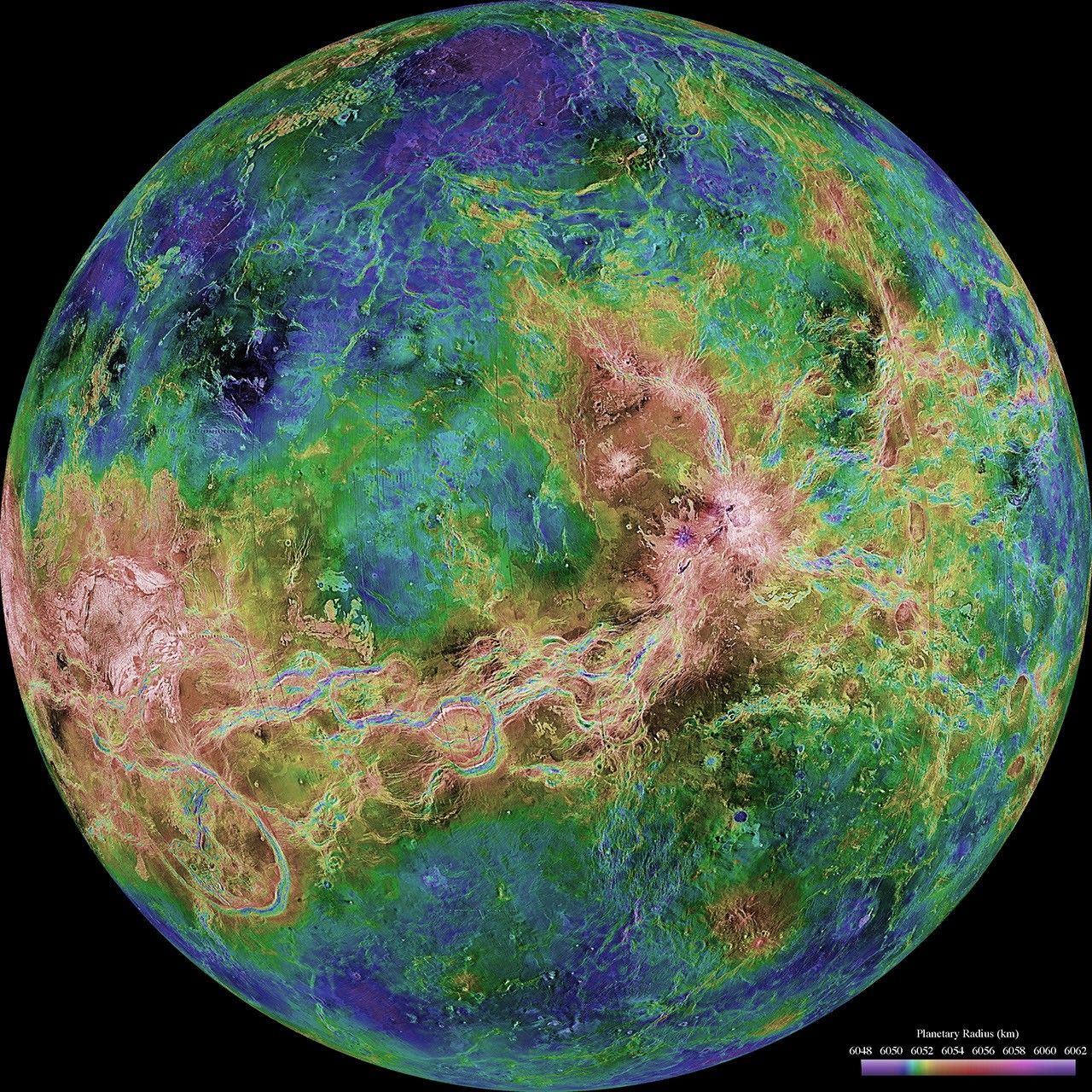
Radar Observations of Venus This hemispheric view of Venus was created using radar observations, including images from NASA's Magellan spacecraft. Magellan imaged more than 98% of Venus. Gaps in the Magellan coverage were filled with images from the Earth-based Arecibo radar. The composite image was processed to improve contrast and to emphasize small features, and was color-coded to represent elevation. Magellan launched on May 4, 1989, and was deployed from the cargo bay of Space Shuttle Atlantis on May 5, 1989. The spacecraft orbited Venus from Aug. 10, 1990, until Oct. 13, 1994 when the spacecraft was commanded to plunge into the atmosphere of Venus. - NASA

The second planet from the Sun, Venus is often called Earth’s “sister planet” because of their similar size and mass. But the similarities end there, Venus is the hottest planet in our solar system, with surface temperatures around 464°C (867°F) – hot enough to melt lead. This extreme heat comes from a runaway greenhouse effect caused by its thick atmosphere, which is about 96% carbon dioxide.

Creating Realistic Space Flight Simulations in Explore the Universe 2175

Rise of the Machines_Explore_the_Universe_2175

My pride and joy of the game is its physics! I spent a shit load of time learning all about vectors and refreshing my calculus and trigonometry skills (very important!) to be able to properly test and implement the mathematics necessary to create an awesome game. A lot of people don’t realize this, but the … Read more

The Galaxy in Explore the Universe 2175

Explore_the_Universe_Epic5

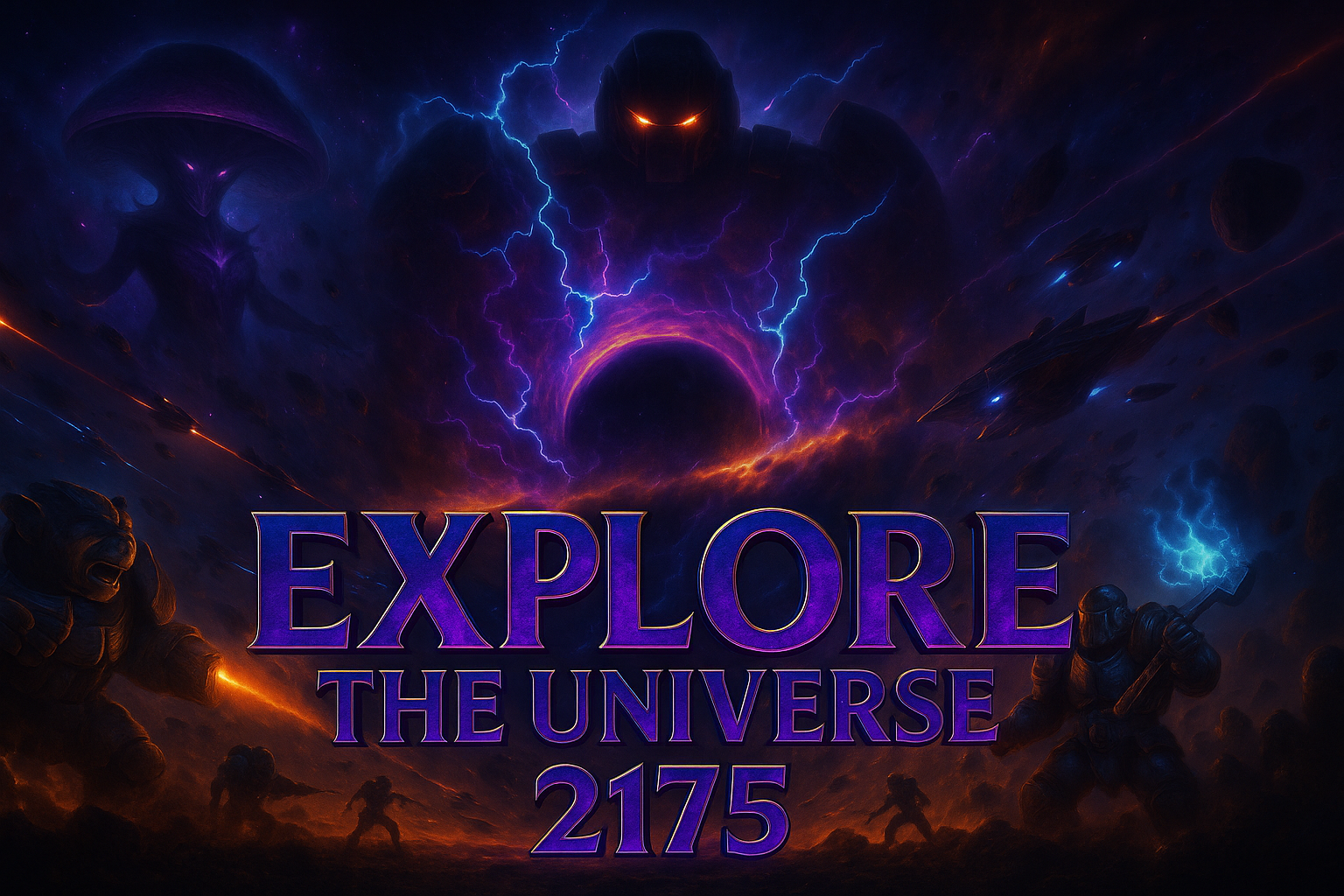
Explore the Universe 2175 is a fully simulated galaxy—alive, evolving, and shaped by real astrophysics, emergent AI civilizations, and massive cosmic forces. From black holes and nebulae to fungal empires and machine swarms, this article dives deep into how the game’s Procedural Galaxy Generator creates a unique universe every time you play.

Saturn, Orbital Physics, and the birth of the Solar System

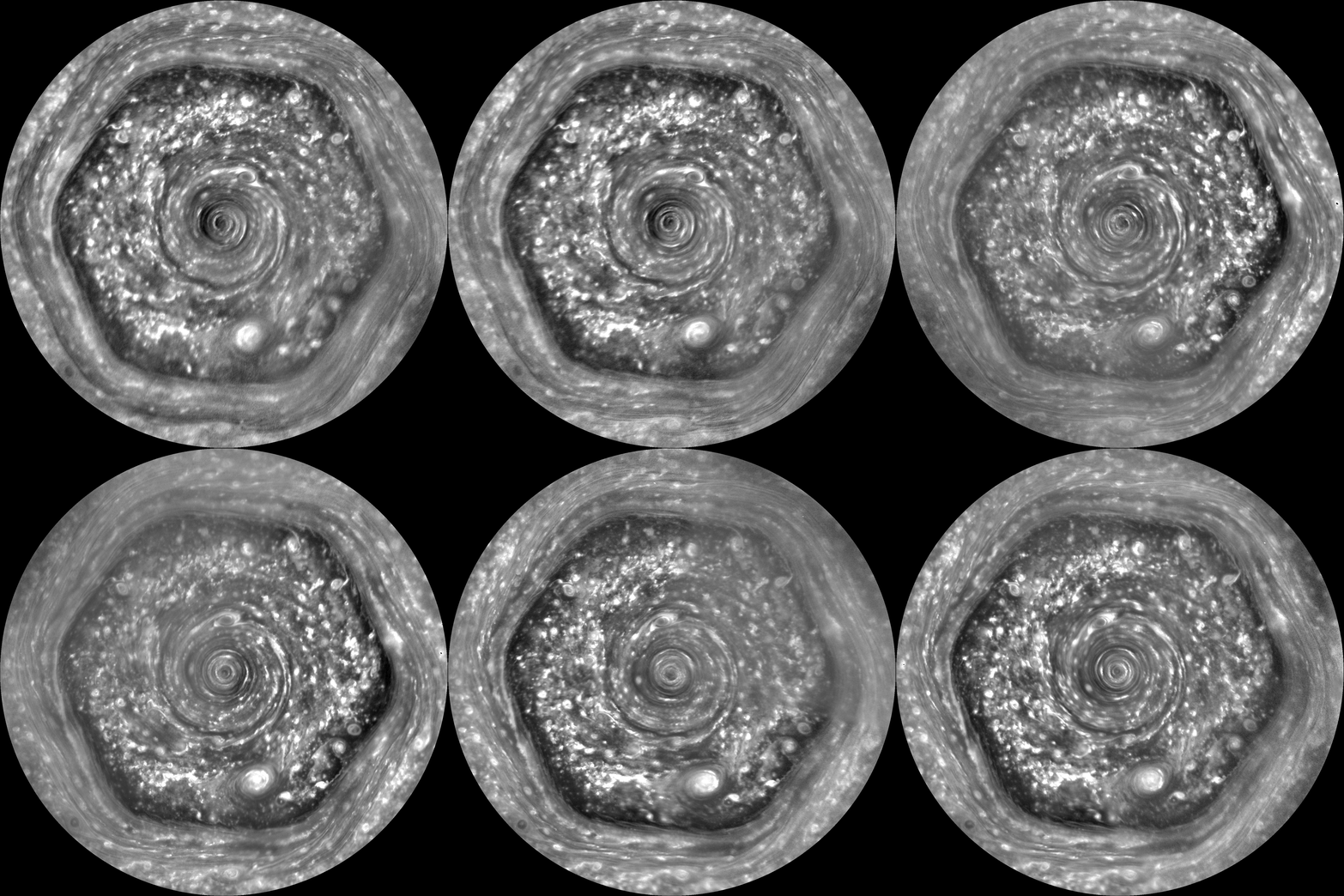
Casini saturn Hexagonal Polar Storm rotating animation with several storm cells - NASA

Saturn isn’t just another gas giant — it’s a gravitational stage where some of the most important dramas and actors of our solar system are still unfolding. Every moon, every ring particle, every jet of plasma from its magnetosphere is a piece of the puzzle, and if you watch closely enough, you start to see the evolution of our solar system written into their motions.

Uranus Simulation – Scientific Data Reference

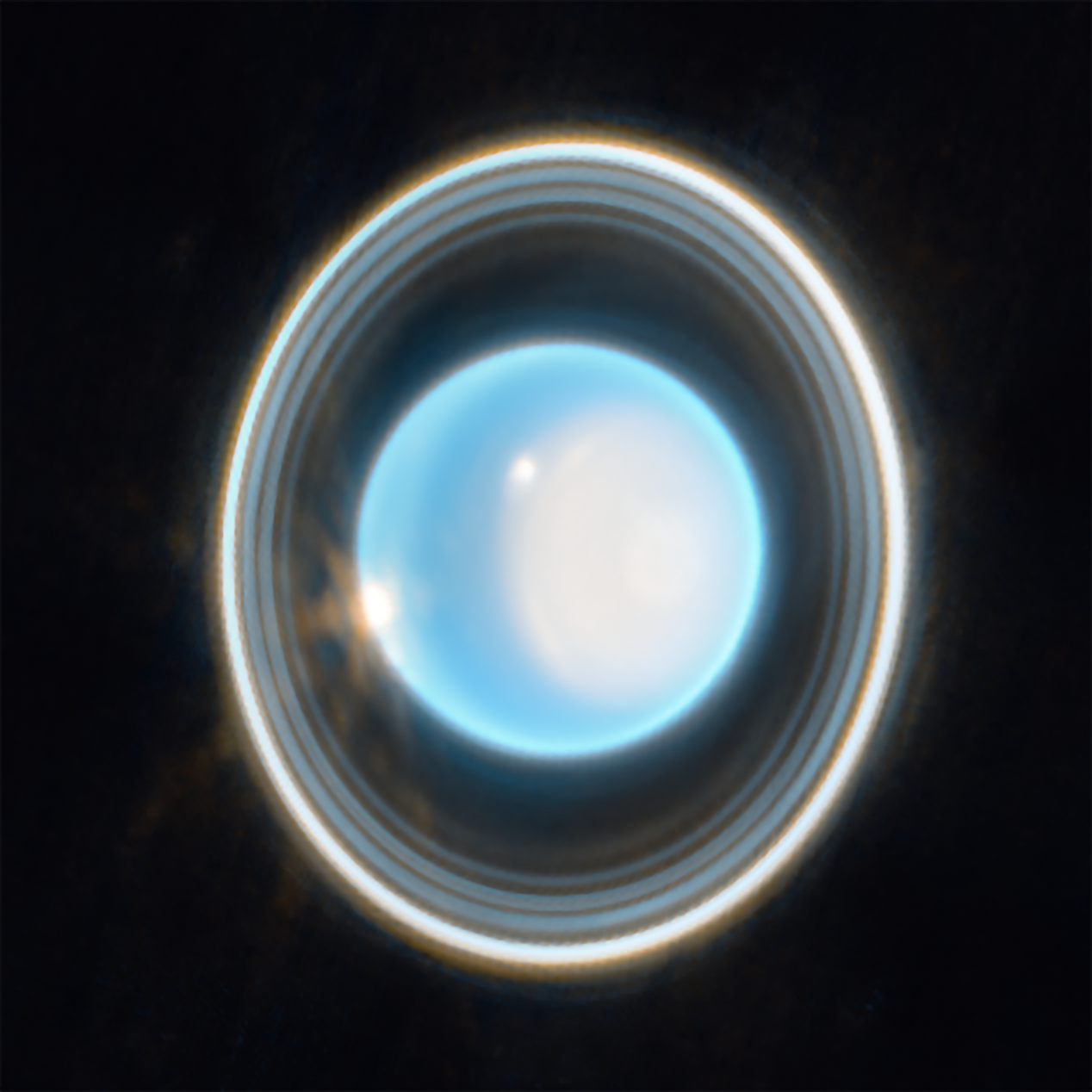
NasaNirCamUranus

Physical Properties, Atmosphere, Rings, and Moons Uranus is one of the most fascinating environments in our Solar System, full of dark mysteries, intrigue, and undoubtedly novel vacuum physics that we will learn about as we send probes and explore the outer regions of our Solar System. The most interesting aspects of Uranus are its retrograde … Read more

Neptune: The Nautical Sailor Planet at the Edge of the Solar System

Neptune in ultraviolet blue, a Voyager2 image from 1989

Neptune is a fascinating system, continually forging the outer edges of our solar system. The gas giant’s orbit is littered with debris, dust and objects that travel through the Oort Cloud and into the Kuiper Belt and get caught in the gravity of the huge frozen gas giant. With a day lasting about 16 hours, … Read more