ALPHA launch Begins Today
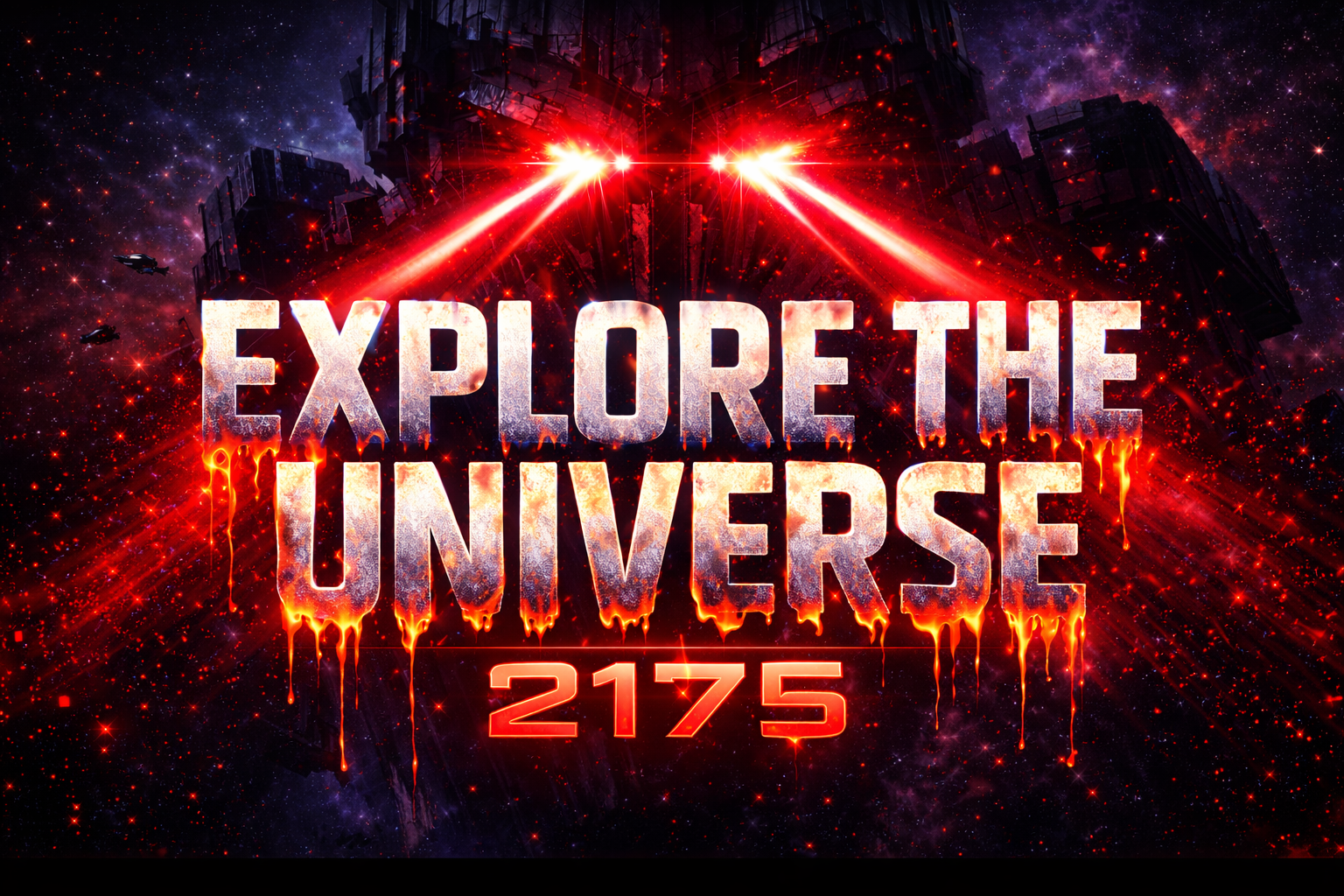
The Explore the Universe 2175 Closed Alpha Demo is live. Face Megabot, survive black holes, master momentum-based combat, and help shape a physics-driven space RTS from the ground up.

The Explore the Universe 2175 Closed Alpha Demo is live. Face Megabot, survive black holes, master momentum-based combat, and help shape a physics-driven space RTS from the ground up.
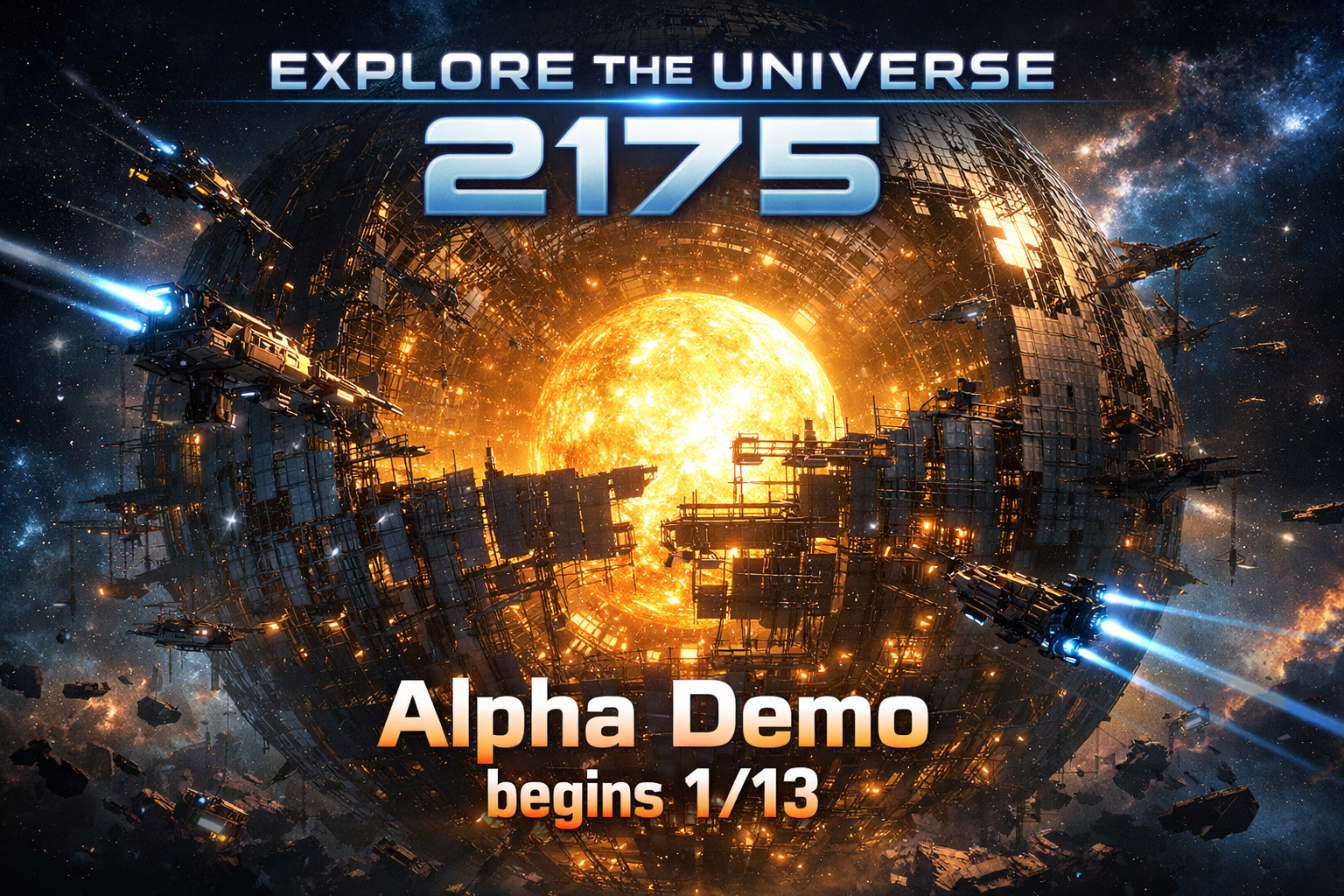
Explore the Universe 2175 development update: why the release date moved, how gravity and ECS systems are evolving, closed alpha details, and what’s coming next for this ambitious indie space RTS.
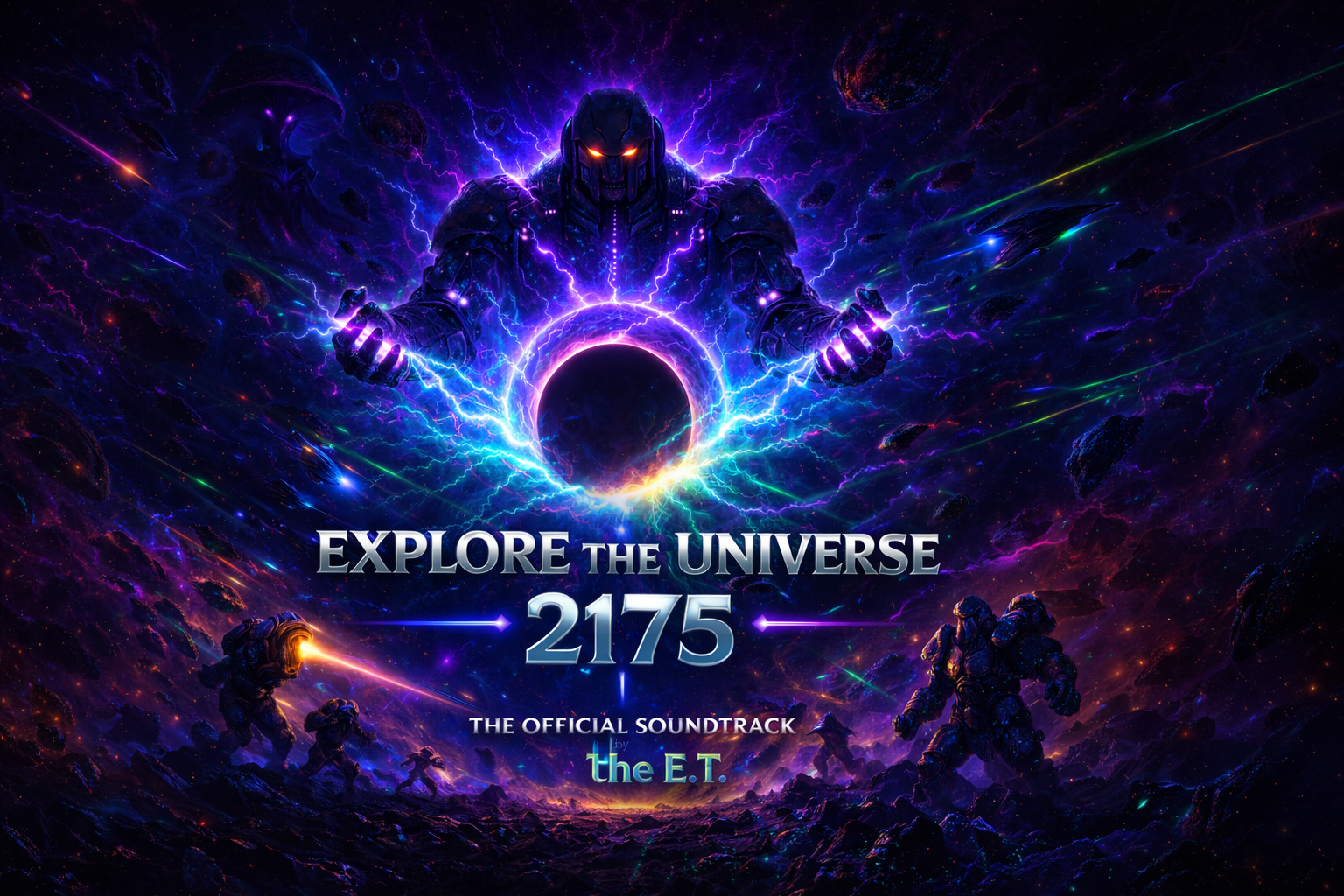
👉 The official soundtrack for Explore the Universe 2175. Cinematic space music, dubstep, techno, bass house & ambient tracks featured in-game via InterGalactic Radio™
The Christmas demo for Explore the Universe 2175 is delayed to ensure the adaptive AI and real-time physics systems deliver the experience you deserve.
![the E.T. - Turbulence [Official Cover Art] space ship with Cyl flying away from a black hole with boosted thrusters.](https://elliottelford.com/wp-content/uploads/2025/12/turb1.png)
Turbulence is a sci-fi music transmission from a collapsing star system — a track about velocity, gravity, and control slipping away. Written to exist inside the same universe as Explore the Universe 2175, it’s a glimpse into a world where motion, instability, and survival define everything.
Today I released the first gameplay trailer for Explore the Universe 2175. This project has been a long time in the making, and this trailer is the first public look at what the game actually is to play — not a cinematic pitch, but a snapshot of the systems I’ve been building. Explore the Universe … Read more

Explore the Universe 2175 is a physics-based space roguelike that is completely unique in its physical realism. Wishlist on the game on Steam!
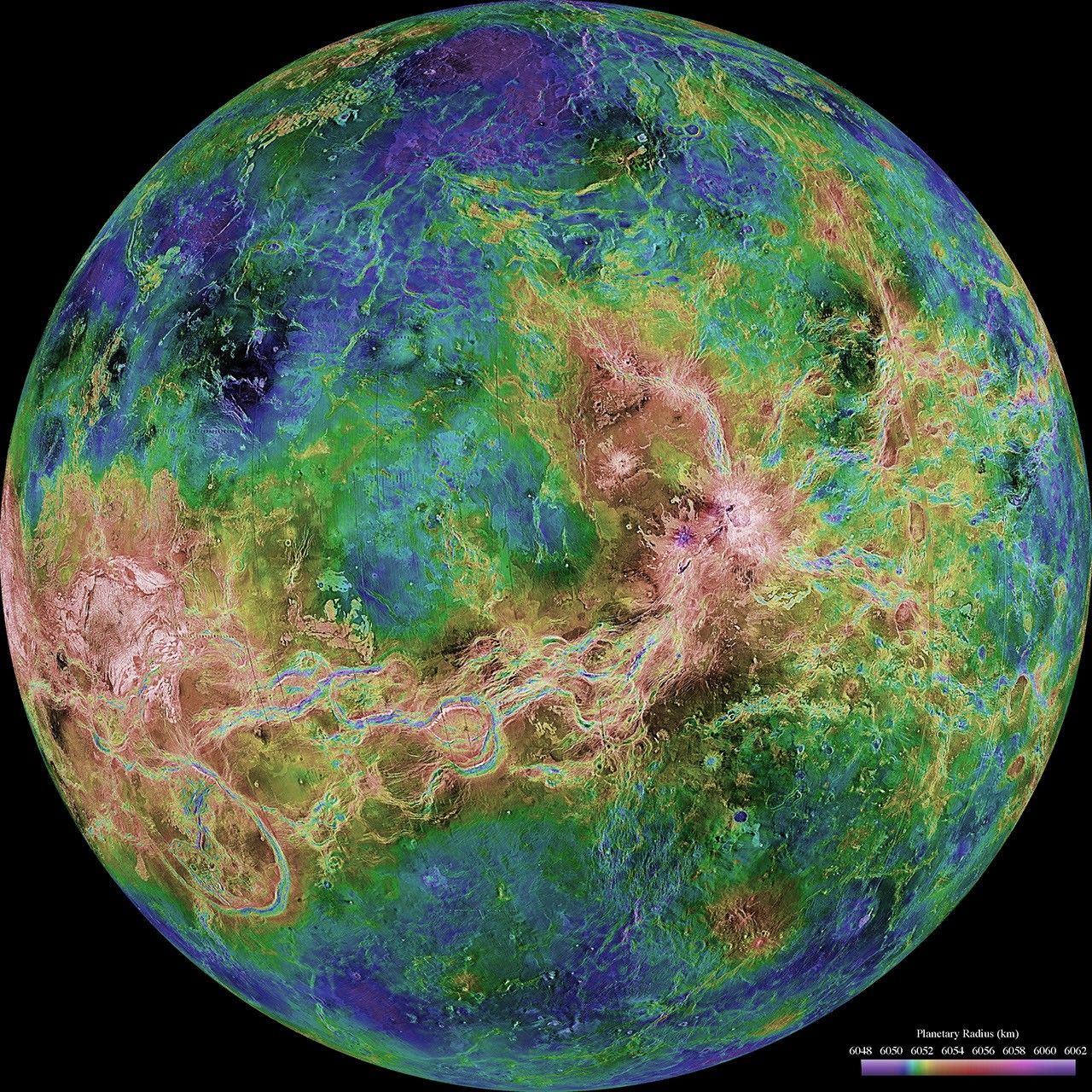
The second planet from the Sun, Venus is often called Earth’s “sister planet” because of their similar size and mass. But the similarities end there, Venus is the hottest planet in our solar system, with surface temperatures around 464°C (867°F) – hot enough to melt lead. This extreme heat comes from a runaway greenhouse effect caused by its thick atmosphere, which is about 96% carbon dioxide.
This song captures the feeling of motion, tension, and breakthrough. The bass grinds forward like machinery under impossible strain, while bright plasma-like melodies flare through the mix, carving shape and light into the dark. It’s music designed for momentum — for movement — for pushing through resistance into something brighter.