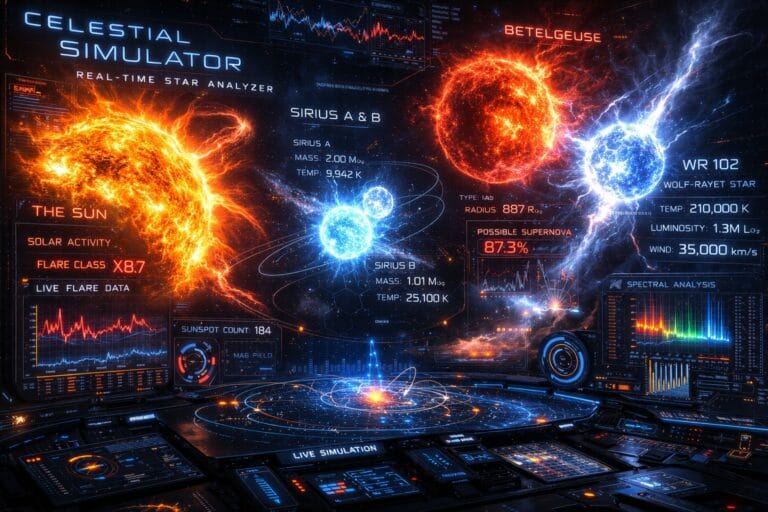

Discover how artificial intelligence is transforming agile development into real-time production.
Learn how to build simulations, games, and software faster using AI-driven workflows.
I think a lot of people miss the “A” when they use A.I. We humans automatically anthropomorphize it. Most of us don’t know what anthropomorphize means and so they go ahead using it as they would use a friend or a colleague, not realize that this thing was actually designed, by professionals, to act in that way.
So we find ourselves in an active pursuit of a companion, or assistant, or mentor that can guide us to greater heights.
The Shift: From Agile Development to AI-Driven Production
AI as a Development Partner, Not a Tool
For years, Agile development helped teams move faster by breaking work into smaller, iterative cycles. But even Agile still assumes something fundamental:
Humans are the primary drivers of production.
Artificial intelligence breaks that assumption.
We’re now entering a phase where:
- Ideas can be translated into working systems instantly
- Simulations can validate concepts before full implementation
- Interfaces evolve alongside the systems they represent
This is not just “faster Agile.”
It’s a shift from sprint-based development → to continuous, AI-driven production.
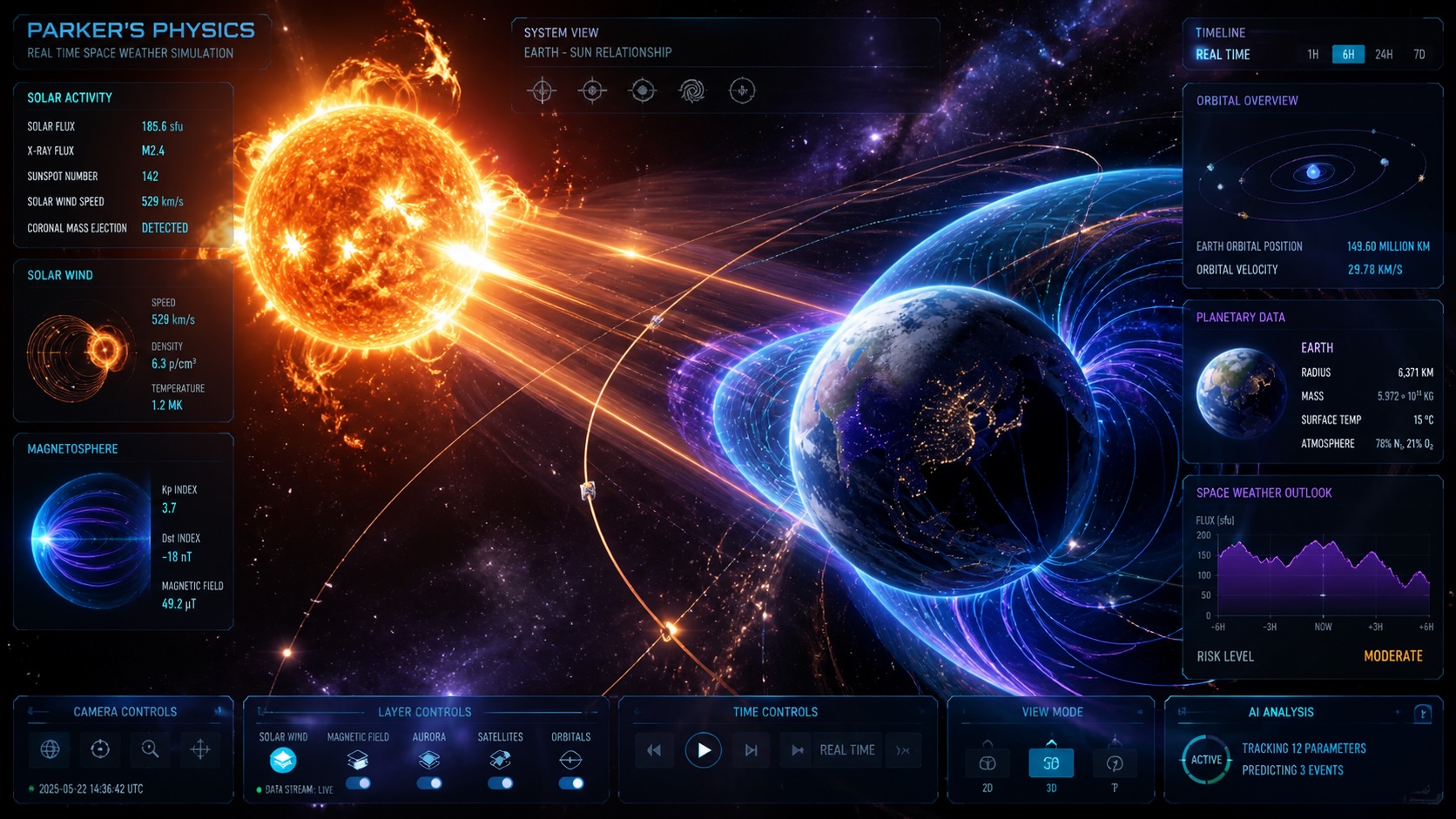
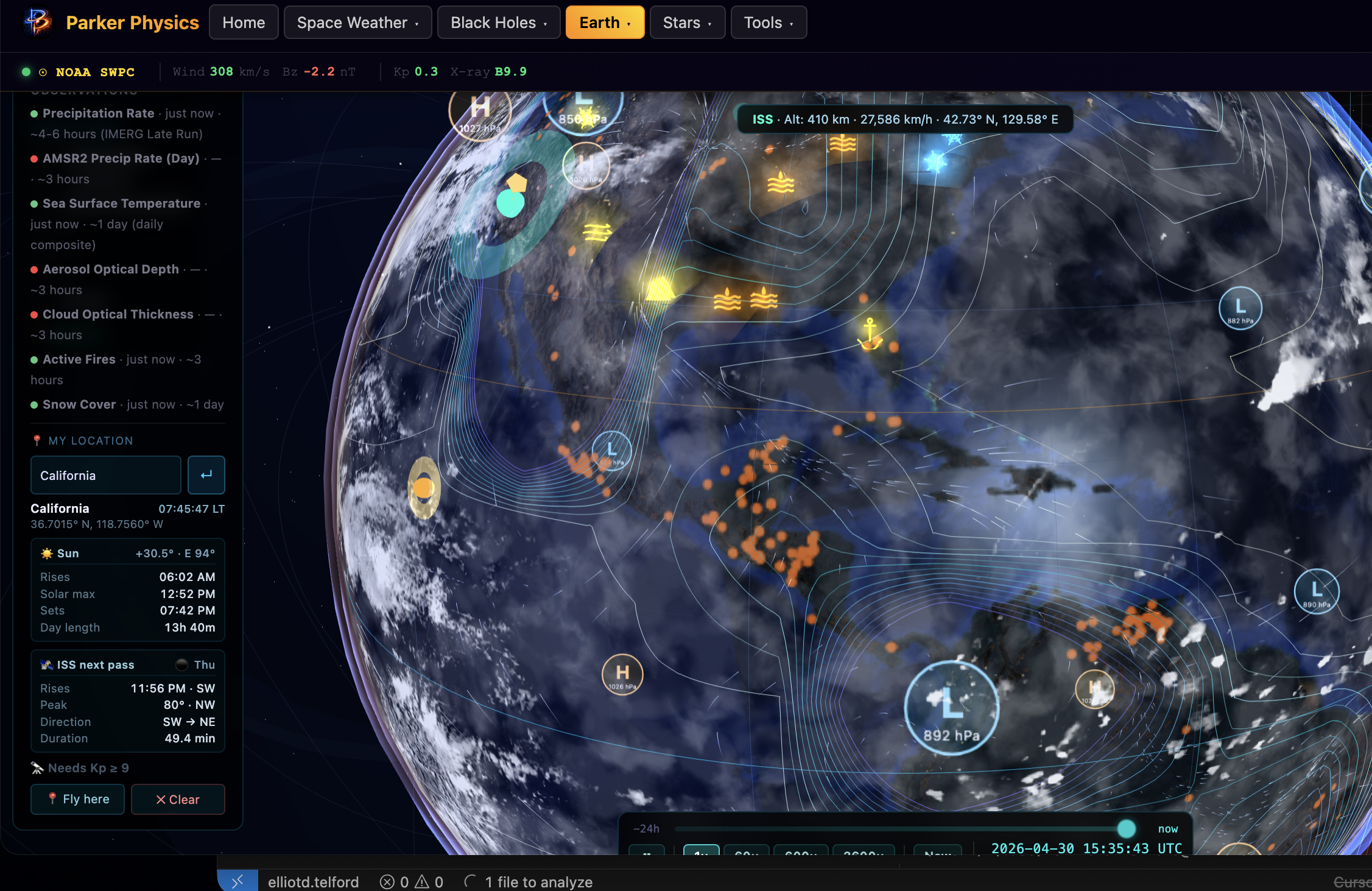
In platforms like Parker’s Physics, the Earth–Sun system isn’t just designed once and shipped. It is:
- Modeled
- Simulated
- Adjusted
- Reinterpreted
…in an ongoing loop.
The result?
The product becomes a living system — not a static release.
Instead of:
- Planning features in isolation
- Building them over weeks
- Testing after the fact
You can:
- Prototype instantly
- Simulate behavior immediately
- Iterate based on real system feedback
This fundamentally changes how we think about building software.
AI as a Development Partner, Not a Tool
Most developers still think of AI like this:
- autocomplete
- helper
- assistant
But that framing is already outdated.
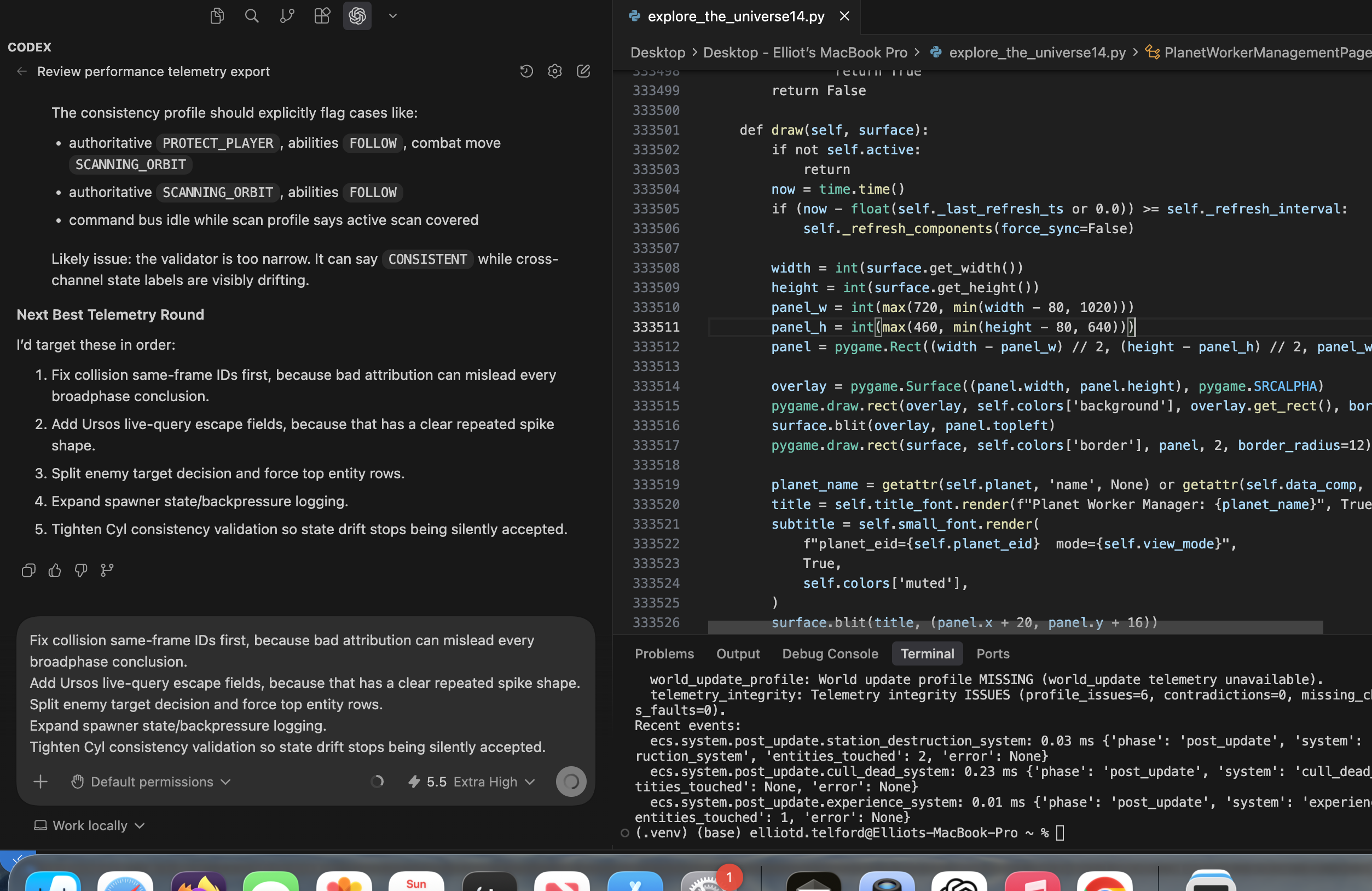
In a modern AI software development workflow, AI is not just supporting development — it is participating in it. Especially tools like Open AI’s Codex and Claude Code inside of Cursor
From Linear Workflows → to Collaborative Systems
Old model:
- You write code
- You debug
- You refine
New model:
- You describe intent
- AI generates structure
- You guide, constrain, and refine
- The system evolves collaboratively
What This Looks Like in Practice
When building something like Parker’s Physics or Explore the Universe:
Instead of:
- Writing every system manually
You:
- Define the behavior (“simulate solar flux interaction with Earth’s magnetosphere”)
- Generate baseline logic,
- Visualize immediately
- Iterate based on observed behavior
The Key Shift
You are no longer just writing code. You are directing systems.
This changes your role from:
- implementer → to architect
- coder → to system designer
- debugger → to behavior analyst
Why This Matters
Because it unlocks something massive:
Speed is no longer the main advantage — adaptability is.
Teams that win in this new paradigm:
- iterate, build, and learn faster
- test ideas earlier, get adversarial feedback
- ship evolve systems continuously
And most importantly:
They build things that were previously too complex to attempt.
Simulation-Driven Development: The New Standard
Working on a simulation like the active regions of the sun, or the affect of the solar wind on Earth’s magnetosphere are extraordinarily dynamic. It is important to analyze these kinds of phenomena in real-time, which AI is allowing us to do.
Below, you can see the visual dynamics of the Space Weather dashboard, which is made to describe incoming solar activity. The visual updates are actively under construction.
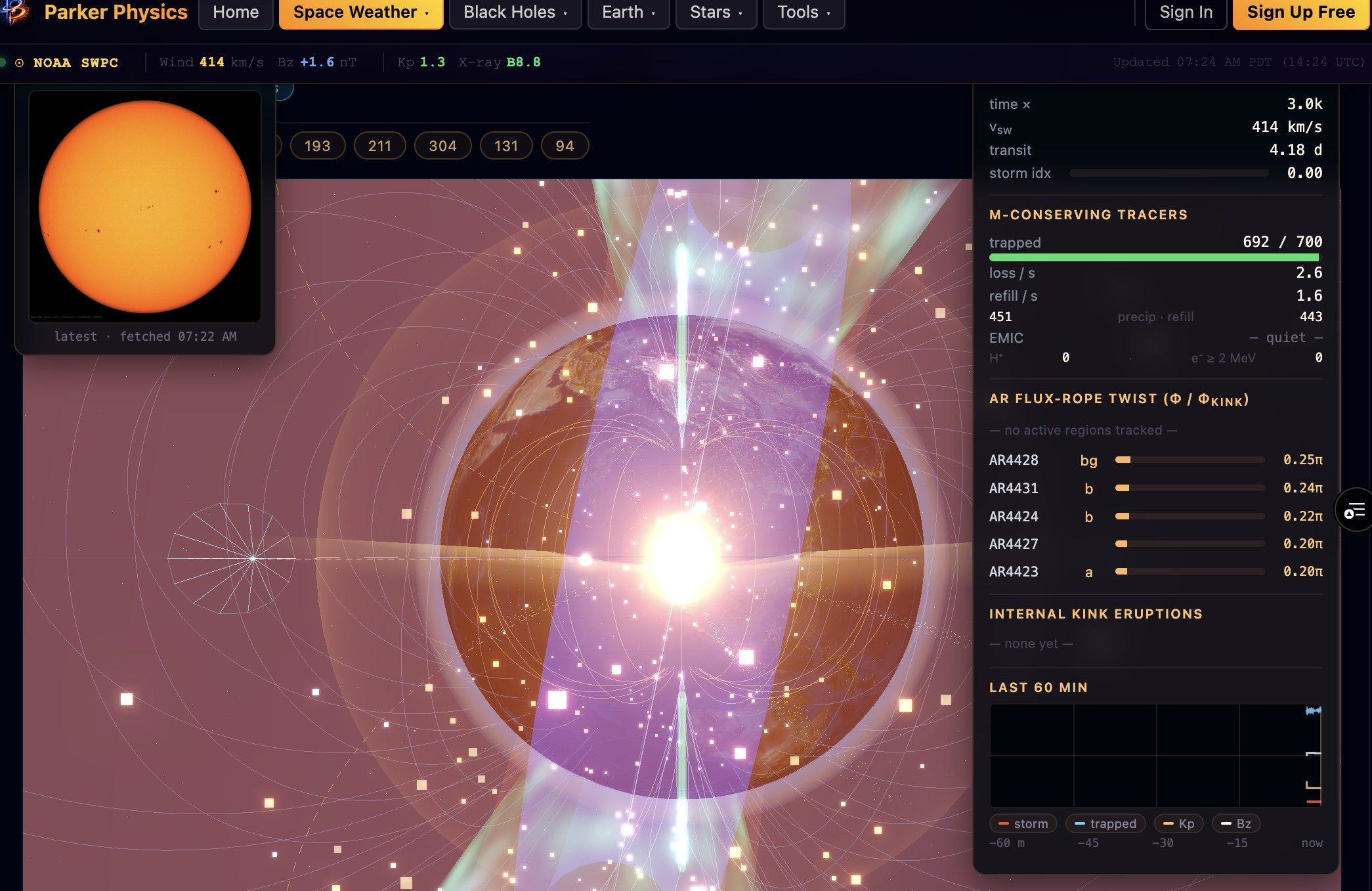
- Solar flare visualizations from Parker’s Physics
- Orbital mechanics UI
Case Study: Explore the Universe 2175 (AI + Emergent Game Systems)
The Galaxy Map from Explore the Universe 2175
This is a prime example of something that was co-developed with AI, to great effect. There is a lot of polish yet to do, but the prototyping and fine tuning were vastly aided by AI agents and review orchestration.
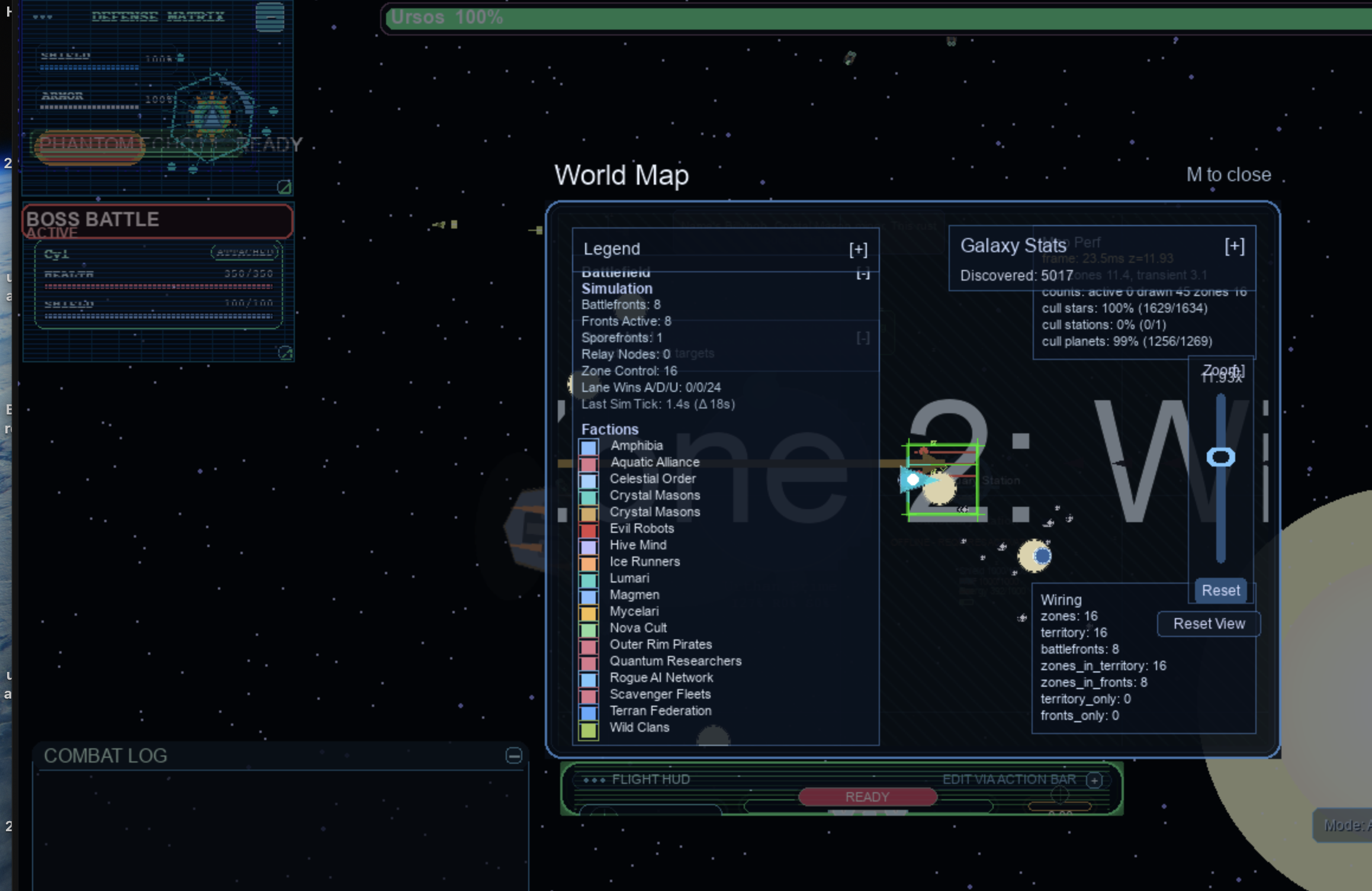
- The Explore the Universe 2175 Galaxy map
Continuously Agile: Why Sprints Are Becoming Obsolete
(Keyword anchor: “future of agile development ai”)
Agents are faster than people. They read faster and now they develop code faster. The key is staying nimble as their skills continue to emerge. Look forward to incredible memory and discovery recommendation improvements in the future.
- Agents and task continuation and long horizon tasks are getting faster, cheaper, more intelligent.
- Memory improvements will continue across all models, but most excitingly with Claude!
🚀 Explore the Universe Before It Evolves Without You
- 🌌 Wishlist Explore the Universe 2175 (Steam)
- ☀️ Use Parker’s Physics (Live Simulation)
- 🧠 Follow development on Elliottelford.com